Garratt Lane flat move checklist for removals in Tooting
If you are planning a flat move on or around Garratt Lane, you already know the awkward bits can stack up fast: narrow hallways, timed loading, parking uncertainty, and the simple chaos of boxes appearing in the wrong room. A proper Garratt Lane flat move checklist for removals in Tooting helps you stay calm, organised, and one step ahead. It is not just about packing a bit earlier. It is about reducing stress, avoiding delays, and making sure moving day does not turn into a last-minute scramble.
This guide breaks the process down in plain English. You will find a step-by-step checklist, practical tips for local access and flat living, a comparison of moving approaches, and a realistic look at common mistakes. If you are moving from a first-floor conversion, a modern apartment, or a small Victorian flat near Tooting Bec or Tooting Broadway, the same basic planning rules apply. The difference is in the detail. And that is where this article is designed to help.
Table of Contents
- Why Garratt Lane flat move checklist for removals in Tooting Matters
- How Garratt Lane flat move checklist for removals in Tooting Works
- Key Benefits and Practical Advantages
- Who This Is For and When It Makes Sense
- Step-by-Step Guidance
- Expert Tips for Better Results
- Common Mistakes to Avoid
- Tools, Resources and Recommendations
- Law, Compliance, Standards, or Best Practice
- Options, Methods, or Comparison Table
- Case Study or Real-World Example
- Practical Checklist
- Conclusion
- Frequently Asked Questions
Why Garratt Lane flat move checklist for removals in Tooting Matters
Flat moves are rarely difficult for one dramatic reason. Usually, it is the accumulation of small things. A lift that is too small for a sofa. A parking space that disappears five minutes before the van arrives. A neighbour who wants the communal hallway kept clear. A key handover that is later than expected. Nothing sounds huge on its own, but together they can create a proper headache.
That is why a detailed checklist matters so much for removals in Tooting, especially around Garratt Lane. This part of South West London often combines busy road conditions with residential blocks, older conversions, and tight access points. In other words, the move may be perfectly manageable, but only if you plan for the real-world conditions rather than the ideal version in your head.
There is also a big emotional angle. Moving home is exciting, yes, but it is also tiring. If you have ever opened a cupboard at 10pm and thought, "where on earth do I even start?", you will know the feeling. A checklist gives you momentum. It turns an overwhelming job into a sequence of small, doable tasks. That alone is worth a lot.
It also helps you make better decisions. Do you need more packing materials? Should heavy items be moved separately? Will your current furniture fit through the stairwell without damage? Planning early gives you the space to answer those questions before moving day, not during it.
How Garratt Lane flat move checklist for removals in Tooting Works
The checklist works by splitting the move into stages. First comes preparation, then packing, then access planning, and finally the moving-day handover. If you try to do everything at once, you end up bouncing between tasks and missing the easy wins. If you follow a staged checklist, you keep the whole move under control.
For a Garratt Lane flat move, the process usually looks something like this:
- Confirm your moving date and access requirements early.
- Check the layout of both properties, including stairs, lifts, parking, and entry points.
- Declutter before packing so you are not paying to move what you do not need.
- Source the right packing materials for fragile and bulky items.
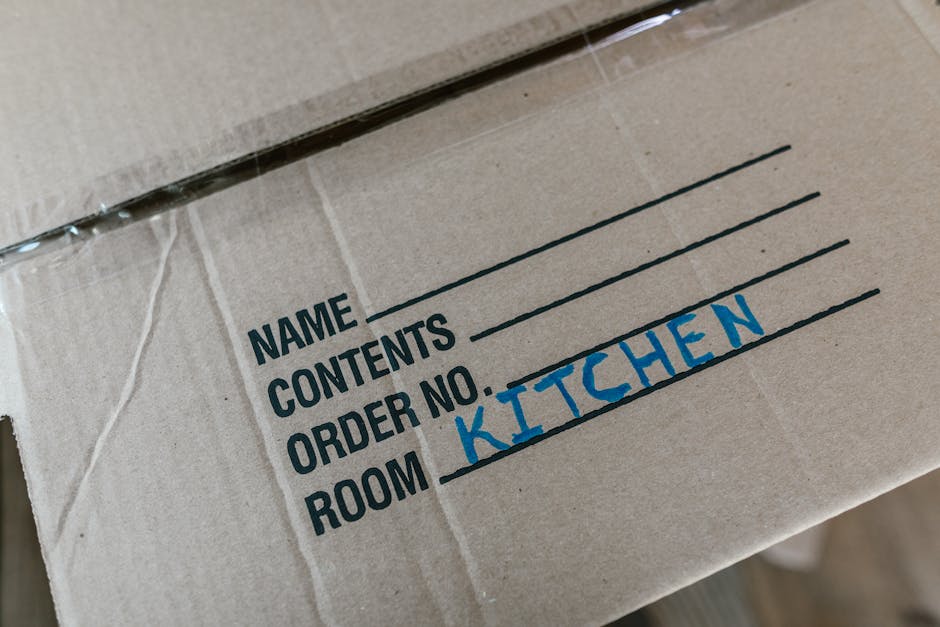
- Label boxes by room and priority so unpacking is easier later.
- Protect floors, corners, and shared areas where needed.
- Keep essential documents, chargers, toiletries, and valuables close at hand.
That sequence may sound basic, but basics are what make the difference. The best removals are rarely the most dramatic ones. They are the well-prepared ones. The van turns up, the access plan works, the boxes are sensible, and the day gets done without much fuss. Lovely, really.
One useful way to think about it: the checklist is not just for packing. It is for reducing uncertainty. And in a flat move, uncertainty is usually the thing that causes delays, broken items, and stress.
Key Benefits and Practical Advantages
A good checklist gives you more than organisation. It gives you leverage. That means fewer unnecessary costs, less wasted time, and a lower chance of damage. In a London flat move, those gains can be surprisingly meaningful.
- Better timing: You can sequence tasks around work, key collection, and van arrival rather than rushing at the last second.
- Fewer access problems: You are more likely to spot issues with stair width, lift size, or parking before moving day.
- Less breakage: Proper packing and labelling reduce the chance of rushed handling or poor stacking.
- More efficient loading: Boxes grouped by room or weight make the move faster and easier.
- Lower stress: You are not trying to remember everything from memory, which, let's face it, is a risky strategy on moving day.
There is also a confidence benefit. Once you have a clear checklist, each completed task creates a bit of momentum. Pack the kitchen? Great. Sort the meter readings? Done. Book the parking arrangement? Good. Those small wins add up quickly.
Another advantage is that the checklist helps everyone involved pull in the same direction. If you are moving with a partner, flatmate, family member, or professional removals team, a shared plan cuts down on confusion. No one likes the "I thought you were sorting that" conversation. Not on moving day, anyway.
Who This Is For and When It Makes Sense
This checklist is useful for almost anyone moving a flat in Tooting, but it is especially helpful if your move involves limited access, a tight schedule, or a fair amount of furniture. If your current place is on Garratt Lane or nearby, and you are dealing with a top-floor walk-up or a block with managed entry, you will probably feel the benefit straight away.
It makes sense for:
- first-time renters who have never organised a flat move before
- tenants moving between local flats in Tooting
- homeowners downsizing from a flat or apartment
- flatmates who need to divide packing fairly and clearly
- people using professional removals but still wanting good personal organisation
- anyone who wants a move that feels controlled rather than chaotic
If your move is very small, you might not need every single step in this guide. But even then, a condensed version helps. If your move is more complex, the checklist becomes even more valuable. Truth be told, the bigger the move, the more useful structure becomes.
There is also a seasonal angle. Summer moves can be busy and hot; winter moves can be dark and damp. Early starts in the morning may be easier for parking and traffic, but not always for sleep. You know your own schedule best. The checklist helps you fit the move around real life instead of pretending real life has paused for the day.
Step-by-Step Guidance
Here is a practical way to manage the move from start to finish. This is the part to keep close, because it turns a vague plan into something you can actually use.
1. Start with the property details
Before you pack anything, write down the basics for both addresses: floor level, lift access, parking restrictions, entrance codes, key collection times, and any building rules. If there is a shared hallway or narrow stairwell, note it early. It sounds simple, but this is the sort of thing people forget until the van is outside and someone is standing on the pavement wondering what comes next.
2. Declutter before you seal the first box
Moving is the ideal time to be honest with yourself. Do you need the old broken lamp? The spare chair that has been "temporarily" stored in the bedroom for two years? The jumble of cable boxes and mystery chargers? Probably not all of it. Sort items into keep, donate, recycle, and discard. Less stuff means less packing, fewer boxes, and less to carry.
3. Gather packing materials early
Use sturdy boxes, tape, labels, marker pens, and protective wrap for fragile items. Books and heavy kitchen items should go into smaller boxes so they are easier to lift. It is tempting to fill one huge box and be done with it. Then you remember you have to carry it down three flights of stairs. Hmm. Best not.
4. Pack by room and priority
Label each box with the room it belongs in and whether it contains urgent items. A box marked "kitchen - first night" will save you a lot of digging later. Keep a separate essentials bag with chargers, medication, toiletries, documents, tea, snacks, and one change of clothes. You will thank yourself at 9pm when everything else is still buried.
5. Protect furniture and fragile items
Remove loose shelves, secure doors where possible, and wrap corners that may chip during handling. Mirrors, glass tables, and picture frames need extra care. If something is awkwardly shaped, do not force it into a box meant for something else. That is how scratches happen.
6. Plan access for the van
In a place like Garratt Lane, access is often the deciding factor. Check where the van can stop, how far items must be carried, and whether you need permission for loading. If parking is tight, build in extra time. A van arriving at the right address but the wrong side of the road is still a problem. Annoying, but common.
7. Keep key handover and utilities on the same page
Make sure you know exactly when keys are available and what must be handed over at the old property. Take meter readings where appropriate. A photo of the readings on your phone is often the simplest record. Then make sure the new place has the correct access details, especially if you are arriving at an awkward time.
8. Do a final sweep before leaving
Check cupboards, wardrobes, behind doors, under beds, and the bathroom shelf where small things love to hide. It is always the last tiny item that causes a return trip. Always. One last look can save a lot of bother.
Expert Tips for Better Results
Small improvements can make a big difference on moving day. These are the sort of habits that experienced movers tend to lean on, because they keep the whole job calmer and cleaner.
- Use colour coding: Stick coloured labels on boxes by room. It speeds up unloading, especially when several people are helping.
- Pack a first-night box: Include bedding, kettle essentials, basic tools, toilet paper, and any must-have chargers.
- Keep valuables separate: Passports, contracts, jewellery, and important papers should travel with you, not in the van.
- Photograph cable setups: Before unplugging TVs, routers, or desks, take a quick photo. It saves head-scratching later.
- Measure awkward items: If you have a sofa, wardrobe, or bed frame that looks borderline, measure doors and stairwells in advance.
- Pack heavier items low: Put books and dense items at the bottom of boxes for balance. This matters more than people think.
One practical tip that gets overlooked all the time: pack a small cleaning kit separately. A cloth, spray, bin bags, and a hoover attachment can be surprisingly useful when you are leaving one flat and settling into another. A bit of dust always seems to appear at the worst possible moment.
And yes, if you live with others, agree who owns which job. It sounds obvious, but it prevents the "I thought you'd done the freezer" problem. That kind of thing can derail the mood fast.
Common Mistakes to Avoid
Most moving mistakes are preventable. The trick is spotting them before they become expensive or time-consuming.
- Leaving packing too late: A last-minute packing sprint usually leads to messy boxes and forgotten items.
- Ignoring access details: If you do not check parking, entry codes, or lift restrictions, delays can pile up quickly.
- Overfilling boxes: Heavy boxes are harder to carry and more likely to split.
- Not labelling properly: Unlabelled boxes create confusion at the new property, especially when you are tired.
- Forgetting essentials: The toothbrush, kettle items, and phone charger should not be buried under ten layers of packing tape.
- Not allowing buffer time: One small delay near Garratt Lane can ripple through the rest of the day.
- Skipping a final inspection: Small items get left behind more often than people expect.
A lot of these errors come from assuming the move will go exactly to plan. In practice, something nearly always needs a little adjustment. The better prepared you are, the less that matters. That is the whole game, really.
Tools, Resources and Recommendations
You do not need fancy equipment to move a flat well, but a few practical tools make life easier.
| Item | Why it helps | Best used for |
|---|---|---|
| Strong cardboard boxes | Protects items and makes stacking easier | Kitchenware, books, clothes, mixed household items |
| Packing tape and dispenser | Speeds up sealing and keeps boxes secure | All packing stages |
| Marker pens and labels | Makes box identification quick and clear | Room-by-room labelling |
| Bubble wrap or paper wrap | Helps protect fragile items in transit | Glasses, plates, mirrors, ornaments |
| Furniture blankets | Reduces scuffs and scratches | Wardrobes, tables, large appliances |
| Toolkit | Useful for dismantling and reassembly | Beds, shelving, flat-pack furniture |
| Phone charger and power bank | Keeps communication open during the move | Moving day essentials |
If you are sorting the move yourself, basic moving trolleys and straps can also help with heavier boxes. Just be realistic about what you can carry safely. A trolley is useful; a heroic attempt to move a fridge alone is not.
For organisation, some people like paper checklists, others prefer a simple notes app. Either works. The best tool is the one you will actually use. If you are sharing the move with someone else, a shared digital list can be handy so everyone knows what has been done. No drama, no duplicate effort.
You may also want to review related moving services and local support options on the site, especially if your move is part of a bigger relocation plan. For example, you can explore domestic removals if you want a wider view of household moving support, or packing service if you would rather get help with the most time-consuming part. If your flat move is only one part of a larger job, man and van options may also be worth considering.
Law, Compliance, Standards, or Best Practice
For most flat moves, the main compliance issues are practical rather than complicated. You are usually dealing with lease rules, building access expectations, parking arrangements, and basic safety. If your building has a managing agent or landlord, check whether they require advance notice for lift use, loading bay access, or moving hours. Some blocks are more structured than others.
On the road side, parking and loading near Garratt Lane may be governed by local restrictions that you need to observe. If you are unsure, it is safer to assume you need to plan around restrictions rather than hoping for the best. The same goes for double parking or blocking access. It may seem harmless for a few minutes, but it can create friction with neighbours and other road users very quickly.
Best practice also means thinking about safety during lifting and carrying. Heavy or awkward furniture should be handled by more than one person where possible. Keep stairs clear. Do not carry items that block your view. Use sensible footwear. A rushed move can lead to trips, bumps, and damaged items, and nobody wants that.
In shared buildings, good etiquette matters too. Quiet movement, protecting communal areas, and keeping doors open only when necessary all help reduce inconvenience to neighbours. A little consideration goes a long way. People remember the mover who was tidy and polite. They also remember the one who scraped the wall.
Options, Methods, or Comparison Table
Different moving methods suit different flat moves. The right choice depends on how much you are moving, how tight access is, and how much time you have available.
| Method | Best for | Pros | Watch-outs |
|---|---|---|---|
| DIY move | Very small moves or tight budgets | Full control, flexible timing | More physical effort, more risk of delays or damage |
| Man and van | Smaller flat moves and local relocations | Usually quicker and easier than DIY | May still require you to do most packing and planning |
| Full removals service | Larger flat moves or busy schedules | Less stress, more support, faster loading | Needs earlier booking and clear instructions |
If you are moving from a compact flat with stairs and limited parking, the cheapest option is not always the easiest one. Sometimes paying for support saves time, strain, and the cost of avoidable damage. On the other hand, if you are moving a handful of boxes and a few pieces of furniture, a lighter-touch approach may be plenty.
A useful way to decide is to ask yourself three questions: How much do I need to move? How awkward is the access? How much stress do I want to deal with on the day? Honest answers usually point you in the right direction.
Case Study or Real-World Example
Imagine a couple moving from a second-floor flat near Garratt Lane into a similar-sized place a short distance away in Tooting. Nothing huge. Two bedrooms, a sofa, a bed frame, a dining table, and the usual collection of kitchen bits, books, and clothing. On paper, manageable.
What made the move easier was not luck. It was preparation. They labelled boxes by room, kept an essentials bag separate, measured the largest furniture beforehand, and checked the loading point outside both properties. They also warned the building manager about the moving window and reserved time for the lift. That tiny bit of admin saved them a lot of waiting around.
On moving day, the van arrived on time, the boxes were stacked sensibly, and the fragile items were not mixed in with heavy books. There were still a few messy moments, because of course there were. A cable went missing for about ten minutes, and someone had to make a second trip for a lamp. But the day stayed controlled. That is the real point.
By the evening, they were tired, a bit dusty, and extremely glad they had packed tea bags separately. A small thing, but those small things matter. Moving is a physical job. A little comfort goes a long way.
Practical Checklist
Use this as your working list in the run-up to the move. Keep it simple and tick things off as you go.
- Confirm moving date and access times
- Check floor level, lift access, and stair width
- Review parking or loading restrictions
- Tell your landlord or building manager if required
- Declutter before packing
- Gather boxes, tape, labels, wrap, and markers
- Pack non-essentials first
- Label boxes by room and priority
- Prepare a first-night essentials bag
- Protect fragile items and furniture corners
- Measure bulky items against doorways and staircases
- Back up important documents and store them safely
- Take meter readings where needed
- Keep keys, ID, and payment details accessible
- Do a final walk-through before leaving
- Check nothing is left in cupboards, drawers, or storage spaces
- Confirm arrival arrangements at the new flat
Expert summary: The best Garratt Lane flat move checklist for removals in Tooting is not the longest one. It is the one that covers access, packing, timing, and essentials without making the day feel more complicated than it needs to be. Keep the plan practical, protect the fragile bits, and leave yourself a bit of breathing room.
Conclusion
A flat move in Tooting does not have to be messy or stressful. With the right checklist, good timing, and a realistic view of access and packing, you can keep things moving smoothly from the first box to the final key handover. The key is to treat the move like a project, not a panic.
If you are moving on or around Garratt Lane, the details matter a bit more than usual. Narrow entrances, parking pressure, and shared buildings can all create friction if they are ignored. But once they are planned for, the move becomes much more manageable. That is the quiet truth of it.
Take it step by step, keep your essentials close, and do not leave everything for the final evening. A calm move is usually a prepared move. And if there is one thing worth carrying into the new place, it is a little peace of mind.
Get a free quote today and see how much you can save.
Frequently Asked Questions
What should be on a Garratt Lane flat move checklist for removals in Tooting?
Your checklist should cover access details, packing materials, decluttering, box labelling, fragile item protection, parking or loading arrangements, key handover, meter readings, and a final property check. Those basics do most of the heavy lifting.
How early should I start packing for a flat move?
For a normal flat move, it is sensible to start with non-essential items as early as you can and leave daily-use items until closer to the move. If you work full time or have a lot to sort, earlier is better. Waiting until the last two days is rarely a fun idea.
Do I need to check parking before moving day in Tooting?
Yes. Parking and loading are often the part that slows things down most. Check where a van can safely stop, whether restrictions apply, and whether building access adds extra carrying distance. A good plan here saves time and hassle.
What is the best way to label moving boxes?
Label each box with the room it belongs to and a short note on contents or priority. For example, "kitchen - first night" or "bedroom - winter clothes." Simple labels work best because they are quick to read when everyone is tired.
Should I hire a removals company or do it myself?
That depends on how much you are moving, how difficult the access is, and how much time you have. DIY can work for small moves, but if stairs, parking, or bulky furniture are involved, professional help may save you a lot of effort.
What items should I keep with me on moving day?
Keep valuables, important documents, medication, chargers, keys, and a small essentials bag with toiletries and a change of clothes. It is much easier than searching through boxes at the new flat when you are already tired.
How can I protect furniture in a flat move?
Use blankets, wrap corners, remove loose parts, and measure awkward furniture before moving it. The main goal is to avoid scratches and forced manoeuvres in tight spaces. A little preparation goes a long way.
What if my flat has narrow stairs or no lift?
Then access planning matters even more. Measure large items, use smaller boxes for heavy belongings, and allow extra time for carrying items down stairs. If the furniture looks borderline, it is worth checking before moving day.
Do I need to tell my landlord or building manager?
In many cases, yes, especially if the building has rules about lifts, loading times, or communal areas. It is better to ask early than to assume everything will be fine. A quick message can prevent a lot of trouble later.
How do I avoid last-minute moving stress?
Start early, pack room by room, keep essentials separate, and build in buffer time for the unexpected. The real stress often comes from uncertainty, so every bit of planning helps. Not glamorous, but effective.
What is the most commonly forgotten item during a flat move?
Small things are forgotten more often than big ones: chargers, kettle items, remote controls, cleaning supplies, and items in cupboards or under beds. That final walkthrough matters more than people think.
Is a checklist really necessary for a short local move?
Yes, even a short move can go sideways if access or packing is poorly planned. Local does not always mean simple. A checklist keeps the move focused, especially when you are trying to do too many little jobs at once.
Can I unpack everything on the same day?
You can, but you probably do not need to. Focus on beds, basic kitchen items, and essentials first. The rest can wait until the next day or weekend. No one wins points for unpacking every single box at midnight.
Moving flat in Tooting can feel like a lot at first, but once the plan is in place, it becomes a series of manageable steps. Keep it steady, keep it practical, and give yourself a bit of credit along the way.